Breast Cancer, Football Cancer: A Designer Review
As a designer who has spent years navigating the intersection of meaningful messaging and technical embroidery execution, I approach every new Breast Cancer, Football Cancer file with a specific set of expectations. This design sits at a unique crossroads in the Crafts category, blending the raw energy of sports culture with the solemn, supportive symbolism of breast cancer awareness. It is not just a graphic; it is a statement piece that demands careful handling to ensure the final finished product resonates with its intended audience without compromising on quality.
First Impressions and Visual Weight
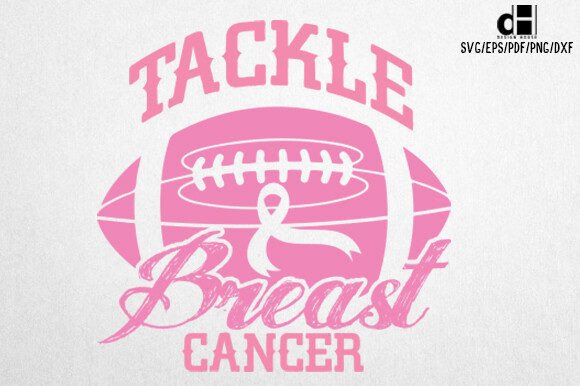
When I first opened the digital preview of Breast Cancer, Football Cancer, the immediate visual impact was striking. The fusion of the football shape with the iconic pink ribbon creates a bold silhouette that reads clearly even from a distance. In the world of machine embroidery design, clarity is king. Many designs fail because they are too busy or rely on gradients that do not translate well into thread. However, this particular Graphics asset maintains strong lines and distinct shapes. The mood it evokes is one of resilience and team spirit, making it an excellent candidate for custom apparel aimed at survivors, families, or teams participating in charity games.
The layout suggests a balanced composition where the negative space within the football can be utilized effectively for fill stitches, while the ribbon outline offers a perfect opportunity for a crisp satin stitch. For those of us creating handmade products, the ability to visualize how the thread will lay on the fabric before we even pick up our hoop is crucial. This design feels robust enough to stand alone as a chest logo on a sweatshirt or as a large back print on a jersey-style shirt.
Real-World Application: The Game Day Tote Scenario
To truly evaluate Breast Cancer, Football Cancer, I imagined a real-life scenario: preparing a custom embroidered tote bag for a local charity auction. The goal was to create a durable, high-value item that could carry groceries or gym gear while supporting a cause. In this context, the design needed to withstand frequent washing and heavy use.
I envisioned placing the design on a sturdy canvas tote. The stitch density would need to be moderate to prevent puckering on the thick fabric. If the design were too dense, the canvas might warp, ruining the bag's structure. Conversely, if it were too sparse, the pink ribbon might look washed out against the natural beige of the canvas. By adjusting the thread colors—perhaps using a deep fuchsia for the ribbon and a classic black or navy for the football laces—the contrast would pop, ensuring the message is unmistakable. This level of customization is exactly what elevates a simple Etsy seller listing into a boutique-quality offering.
Furthermore, thinking about the customer experience, someone receiving this personalized gift would appreciate the tactile quality of the embroidery. Unlike screen printing, which can crack over time, a well-executed embroidered patch or direct application of this design adds texture and longevity. It signals to the buyer that the creator cares about durability and detail, which builds trust and encourages repeat business for any small shop product.
Navigating Technical Challenges
While Breast Cancer, Football Cancer is visually appealing, there are specific scenarios where caution is required. As a professional, I always advise testing any digital embroidery file on scrap fabric first. This is especially true when working with textured fabrics like fleece or denim, common choices for sweatshirt embroidery. The uneven surface of fleece can sometimes distort fine details, particularly the laces on the football or the knot of the ribbon.
If you plan to use this design on a cap or a curved surface, you must consider how the stabilizer interacts with the curve. The design might need to be resized or slightly modified to fit the limited flat area of a cap front. Additionally, using this design on thin or stretchy fabric requires a high-quality stabilizer to prevent the fabric from stretching during the stitching process, which could lead to misaligned stitches. Without proper support, the intricate parts of the running stitch or fill stitch could become distorted, diminishing the professional look of the project.
Another critical consideration is the background color. While the design looks great on white or light gray, applying it to dark fabric requires a different approach. You may need to add a backing layer of satin stitches or use a tonal underlay to ensure the pink ribbon does not disappear against a black jersey. Always compare light and dark fabric backgrounds in your printable mockup stage to verify visibility before committing to expensive materials.
Commercial Viability and Licensing
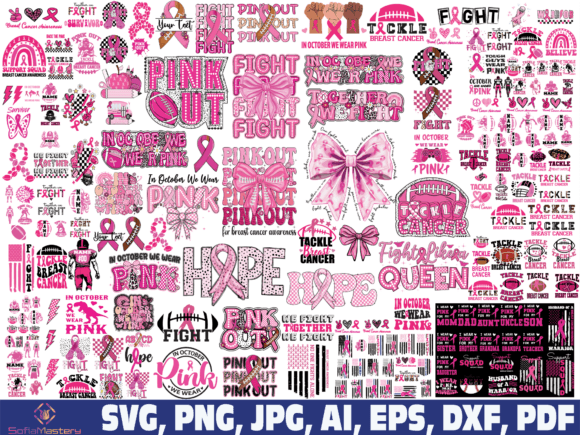
For creative entrepreneurs looking to sell finished items, understanding the scope of the license is non-negotiable. The download includes SVG, Dxf, png, pdf, AI, JPG, and eps formats in a zipped folder. The versatility of these files means you can use the SVG with Cricut Design Space, Silhouette Designer Edition, Make the Cut MTC, Sure Cuts A Lot SCAL, and other cutting software for applique or vinyl transfers if embroidery isn't your primary method. However, if you intend to resell the digital file itself, you must confirm the licensing terms explicitly. Most commercial embroidery licenses allow you to sell physical goods but prohibit redistributing the digital assets.
Using Breast Cancer, Football Cancer in your craft business can significantly boost engagement, especially around October for Breast Cancer Awareness Month. The design fits perfectly into holiday gifts, memorial items, and team merchandise. To maximize value, consider creating a line of matching items—a baby embroidery onesie for young fans, a kitchen towel for home decor, and a pillow cover for comfort. Consistency across these products strengthens your brand identity and makes your shop appear more curated and professional.
Practical Designer Notes for Success
To ensure your project succeeds, follow these practical steps when working with this design:
- Test Stitch Density: Run a test on a similar fabric to check if the fill stitch is too tight, which can cause puckering, or too loose, leaving gaps.
- Check Hoop Size: Ensure your machine's hoop size accommodates the full width of the football and ribbon without needing to re-hoop mid-design, which can lead to alignment errors.
- Inspect Small Details: Zoom in on the file to see if the text or tiny laces are legible at your intended scale. Sometimes, reducing the size too much blurs the details.
- Color Contrast: Plan your thread colors carefully. High contrast ensures the pink ribbon stands out as a symbol of hope rather than getting lost in the design.
- Stabilizer Choice: Use a cutaway stabilizer for stretchy knits and tear-away for woven fabrics to maintain the integrity of the finished product.
- Licensing Verification: Double-check that you have the right to sell the physical items you create, especially if you are scaling up production for a small business.
In conclusion, Breast Cancer, Football Cancer is a powerful asset for designers who understand the nuances of textile artistry. It offers a compelling narrative that combines sport and solidarity. When executed with attention to detail, proper stabilization, and thoughtful color selection, it transforms from a simple graphic into a cherished keepsake. Whether you are a hobbyist making a one-off gift or a professional decorator fulfilling a bulk order, this design provides the foundation for a high-quality, emotionally resonant project.